
The holiday season arrives wrapped in ritual and memory. There are familiar smells drifting from the kitchen, decorations pulled carefully from storage, and the comforting rhythm of traditions passed down through generations. For many families, this is a special time to gather, reconnect, and celebrate what matters most.
But for family caregivers, the holidays often carry a very different weight.
For caregivers, especially someone living with Alzheimer’s disease or another form of dementia, roles and responsibilities don’t change whether Santa stops by or not. Moreover, there’s often additional pressure to not miss out on anything and be as ‘present’ as possible.
At All Seniors Care we appreciate and understand that looking after a loved one is not linear. If you have a caregiver within your family or circle of friends, here are some thoughtful ways to support them as the season gets into full swing.
Caring for a Family Caregiver during the Holidays
 While this time of year is often a time of fun, gift-giving and get-togethers, for those caring for another, it can also be a time of high stress and expectation management.
Caregiving over the holidays requires more than good intentions. It requires understanding, compassion, and meaningful support. Whether you are a neighbour, friend, family member, or part of a retirement or healthcare community, there are ways to truly help caregivers and ease the burden instead of adding to it. At this time of year, even a small gesture goes a long way.
1. Acknowledge their role and effort
According to Statistics Canada, 1 in 4 Canadians is a caregiver, and 20% of those are older adults looking after their aged partner or spouse. Behind those numbers are people who quietly shoulder an extraordinary responsibility, often without recognition, rest, or relief.
Caregiving is not a single task. It is a role that requires constant emotional presence, physical effort, decision-making, and vigilance. It means managing appointments, medications, finances, meals, and safety. All while also offering patience, reassurance, and love. Over time, this sustained effort can leave caregivers feeling overwhelmed, lonely, anxious, and deeply fatigued.
During the holidays, these feelings can intensify. Expectations rise, routines are disrupted, and emotions surface. Caregivers may feel pressure to maintain traditions, keep loved ones comfortable, and meet the emotional needs of everyone around them, often at the expense of their own well-being.
How can you help? Validate their feelings without judgement or opinion. Simply sharing how much they’re appreciated and you recognizing how much they do, can mean everything. There’s an old adage of ‘it’s one thing to know, but another to be told’; so, vocalize when you can and affirm the important job they’re doing.
2. Acknowledge the grief related to caregiving
For caregivers supporting older adults with dementia, the holidays can stir deep and complicated emotions. There is often sadness tied to memories of past celebrations when conversations flowed easily, meals were shared with less stress, and traditions felt like a timeless gift.
There may also be an unspoken realization that this could be the last holiday spent in a familiar way with a spouse or parent living with dementia.
Acknowledging this grief is essential. Grief does not mean a caregiver is ungrateful or pessimistic. It means they are adapting to loss while continuing to give care. When grief is acknowledged, caregivers feel seen and less alone.
3. Offer the family caregiver specific help
 With the best will in the world you might say ‘let me know if there’s anything I can do’, but more often than not, your offer won’t be taken up.
Instead, be specific about the help you can provide. For example, ‘I can come on Wednesday afternoon and sit with Dad while you finish your shopping’. Or, ‘I am headed to the store; give me your list and I will pick up what you need’. Being intentional with your offer can make it easier for the other person to accept. Make your offer:
- Specific
- Reliable
- Scheduled
- Free of guilt
It can be as simple as offering to sit with their loved one while they go out, have a bath or go for a walk. Or, offering to take the person they care for out for a drive or a coffee or for the day, if that’s possible. Knowing that someone else is shouldering the responsibility, even for a couple of hours, can make a huge difference. It allows them to focus on what matters most without sacrificing their own well-being.
4. Include them in holiday plans without pressure
If it is more difficult for a family caregiver to make plans, make sure they know they are invited and included, but also that there is no pressure to attend or participate. Simply knowing they are welcome, without expectation, can ease a great deal of stress.
If gathering at the home or retirement residence where they live is easier, help make it as seamless as possible. Bring food or snacks, arrive early to help set things up, and stay afterward to tidy up and clean away. Small acts like these reduce the physical and emotional load on the caregiver and allow them to focus on being present rather than managing details.
Further support them by working around their schedule, not the other way around, and by having a backup plan in case things need to change at the last minute. Caregiving often requires sudden adjustments, and flexibility communicates understanding rather than frustration.
5. Special considerations for caregivers supporting people with cognitive changes
If the person they care for is living with dementia or another brain change and you are visiting, offer support by keeping visits short, limiting noise and overstimulation, and helping maintain familiar routines. These considerations make visits more comfortable for everyone, and signal to the caregiver that their daily realities are respected and understood.
Help the caregiver by engaging the person with dementia by giving them tasks that allow them to contribute to the festivities, such as setting the table or helping to decorate. Engage them in conversation by asking about holidays past. They may not be able to answer but even so, memories can be a way to bring families and friends together.
Remember: A successful holiday is one that fits your life as it is right now.
The Gift of Time: The Professional Solution Caregivers Need
 The single most valuable gift you can give your loved one who is coping with caregiver holiday stress is dedicated time off. We’re not just talking about an hour to run an errand; we’re talking about caregiver burnout prevention.
Rest and recharge with a Respite Stay
The most effective way to help your family caregiver is through profession respite stay. At All Seniors Care, our Respite Suites offer a worry-free, temporary stay with access to a full team supportive staff. This ensures your loved one receives consistent, high-quality attention while the caregiver gets the necessary time to fully recharge
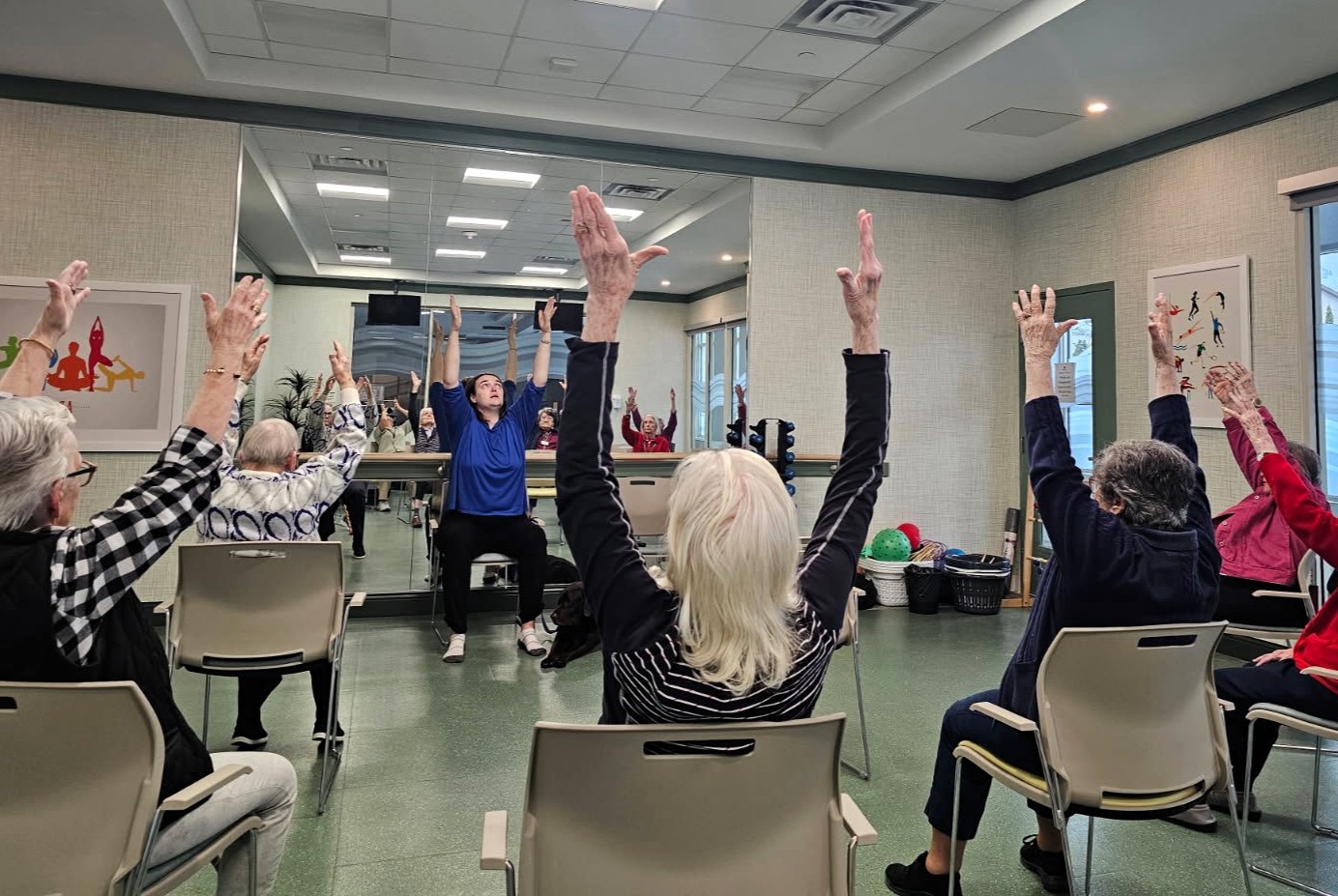
This gift goes beyond just booking them a suite for the night, it includes access to the entire retirement residence. This means a morning coffee in our Bistro or curling up with a book in a fireside lounge. It’s also a leisurely swim in a heated pool, followed by chair yoga in the gym and an a la carte lunch with new friends in our beautiful full-service dining room.
At All Seniors Care, Respite Suites provide:
- A safe, comfortable temporary stay
- Access to a full team of supportive staff
- Daily meals, activities, and wellness programming
- Peace of mind for families
Respite care is not about stepping away from responsibility; it is about sustaining it. A rested caregiver is better equipped to provide compassionate, patient care over the long term.
Explore the BLOSSOM Living difference
If your loved one lives at an All Seniors Care retirement residence and is caring for a spouse whose cognitive health is declining, consider giving the gift of BLOSSOM Living. This gold-standard dementia support program offers specialized care that protects dignity and individuality, while easing the daily demands placed on the caregiver.
BLOSSOM Living focuses on:
- Respectful, person-centred and inclusive programming
- Sensory engagement through music, touch, and familiar routines
- Meaningful connection without pressure or expectation.
Keep in mind that BLOSSOM Living can be trialed before committing. A trial allows families to explore how added support can restore balance, reassurance, and peace of mind for both partners. To learn more, families can read about the BLOSSOM program here. A person-centred option, BLOSSOM Living provides a dedicated schedule of activities that focus on the needs of people living with cognitive changes, while also providing some much needed ‘me time’ for their family caregiver.
The Importance of Activities in Retirement Living
 Meaningful activities are not just a way to pass time; they are a cornerstone of well-being in retirement living.
For older adults, especially those experiencing cognitive change, regular engagement supports:
- Emotional health
- Cognitive stimulation
- Physical mobility
- Social connection
In retirement communities, structured activities create rhythm and purpose. Group programs, creative pursuits, low-impact fitness classes, and social gatherings encourage residents to stay engaged with the world around them.
Activities reduce isolation for both the caregiver and receiver, which is one of the most significant risks for seniors during the winter months. Activities are fun ways for older adults to stay active , true; but they also foster community, belonging, and joy, elements that are essential at every stage of life.
For caregivers, knowing their loved one is participating in meaningful activities offers reassurance. It means their family member is not just being cared for but enjoying life to their fullest ability.
The Post-Holiday Strategy: Helping the Caregivers and their Loved One with Dignity
 As the holidays approach, much of the focus is on getting through the celebrations themselves. However, it’s essential to remember that the post-holiday blues can be a challenging period for family caregivers.
When the gatherings end, and visitors return to their busy lives, support quietly fades. Known as the drop-off effect, it’s the period when caregivers are left physically and emotionally depleted. It’s also when burnout is most likely to surface.
This is why the most effective holiday caregiver support plans look beyond the end of the year. Thinking ahead to January and February can make a meaningful difference, helping family caregivers move into the new year feeling steadier as routines are re-established.
All Seniors Care Living Centres Offer a Thoughtful Next Step
Caregivers will often put themselves last but help for them can mean better care for their loved one. As a caregiver you deserve the same compassion you offer others so generously everyday! Looking ahead and planning next steps can make a meaningful difference.
If you think that your loved one is feeling overwhelmed by their caregiving duties, it might be best to share the responsibility with others. This could mean exploring the idea of moving into an All Seniors Care community. With retirement residence in Ontario and across the country, we offer many options, from independent and assisted living to full memory care services. Best of all, the caregiver would still be close to their loved one, but the physical demands of care wouldn’t be entirely on their shoulders.
From December 26 to 31, All Seniors Care residences across Canada are hosting Open Houses, offering families the opportunity to experience our atmosphere firsthand, see our communities in action, and speak directly with our on-site team. It’s a chance to explore options, ask questions, and learn how support can be tailored to you or your loved one’s needs, without pressure or commitment.
Visiting a retirement residence in Regina or a senior assisted living home in Ottawa can be a valuable first step in understanding what professional support, respite care holidays, and dementia-informed programming truly look like. To find out how a seniors residence near you can support you and your loved one over the holidays and everyday, contact us to schedule a visit.